
California Sun
I was climbing up the Base Line Road hill on stage one. It was hot, my gear was heavy and as usual I forgot one crucial element of sun protection - a hat.
I was climbing up the Base Line Road hill on stage one. It was hot, my gear was heavy and as usual I forgot one crucial element of sun protection - a hat. I was certain I would be more than a little red by the end of the day, despite the sunscreen I had long-since sweat off and a long-sleeve sun protection hoodie. If you think I was regretting my choice to be trudging uphill on a hot California day, you’d be wrong. I was having way too much fun to care much about the climb, the heat or the eventual sunburn.
I was invited to Redlands Cycling Classic as a team photographer for Expeditors Elite Cycling Team, a new team from the Pacific Northwest. I have photographed my fair share of road races locally and National Championships for several years. Never a stage race, and certainly not a pro-level one. It was a daunting idea, but I knew that I needed this experience. I was not excited about being so green at the task while surrounded by the pro photographers I’ve come to know and whose work is truly remarkable. Into the fire I went anyway because there always has to be a first time, and I might as well get it over with.

The climb on Base Line Road
A stage race like Redlands is a fascinating experience. It’s five days of hard racing, hot weather, brutal climbs and enough chaos to make each day’s outcome uncertain. My job would be to capture as much of the team’s experience and racing as I could.
We made a small AirBnB home base for race prep, post-race gatherings, team meals - and every single bike. It made for some cramped quarters, but it also allowed me the chance to get to know the racers in a way I could not otherwise. Some were quite young (yet still experienced), and others had years of pro racing on their resume. All of them were serious about their job, but never took themselves too seriously. Kaler Marshall was the natural leader of this group, having completed this race multiple times and raced at the professional level.

Keelan Ontiveros relaxes before the criterium.
Racing at Redlands is not all glamourous. Riders typically stay in host housing, relying on the kindness and generosity of volunteers to have a clean place to shower and rest every night. The team manager works to accommodate all the daily details of feed zones, team meals, race protests when necessary, and the general well-being of a squad of exhausted, and in some cases injured, riders. Add in a meticulous and gregarious bike mechanic, and you have yourself a house packed full of personalities. And then someone sticks a camera in their faces all week.

Saturday night criterium
Stage one, with its steep climb to the finish that I only managed once but that the racers summited 20 times, was a great start to the week. Things quickly got exciting when Kaler took the King of the Mountain jersey this first day - which meant the next days would be spent defending. The job is never boring, especially when you get to work for a team wearing a leader’s jersey.
The next four stages rolled on with a mix of panic on my part (traffic and road blocks were not my friend) and sheer joy at getting to be at the finish line for the Oak Glenn climb and the downtown Redlands Saturday night criterium. The team had their work cut out for them in the later stages with crashes and DNFs, but never let it limit their enjoyment of getting to compete in this long-running race. In the end, they successfully defended the KOM jersey, with Kaler taking it home through the final finish.

Taking home the KOM jersey
Photography is career number three or four for me, but the work I’ve enjoyed the most is when I’ve been able to just be in the room. An observer to unique experiences and supporter of an effort that doesn’t make sense to a lot of people, but makes complete sense to those who get it. I’ve also done enough journalism to know that it’s best to remain unbiased in coverage of teams and competitors. That was not going to happen for this race. I was working with one northwest team, there was another northwest team winning stages, and the women’s GC winner was one of my favorite bike friends. We’ll call it inexperience on my part, but my internal cheer squad was firing away all week long.
Though I got much better about remembering my hat, I know I could cover the race 10x better if I had a chance to do it all over again. That’s just the nature of doing something for the first time - you learn, make some mental notes and get better prepared when the opportunity comes around again. And it can’t be said enough - always wear sunscreen
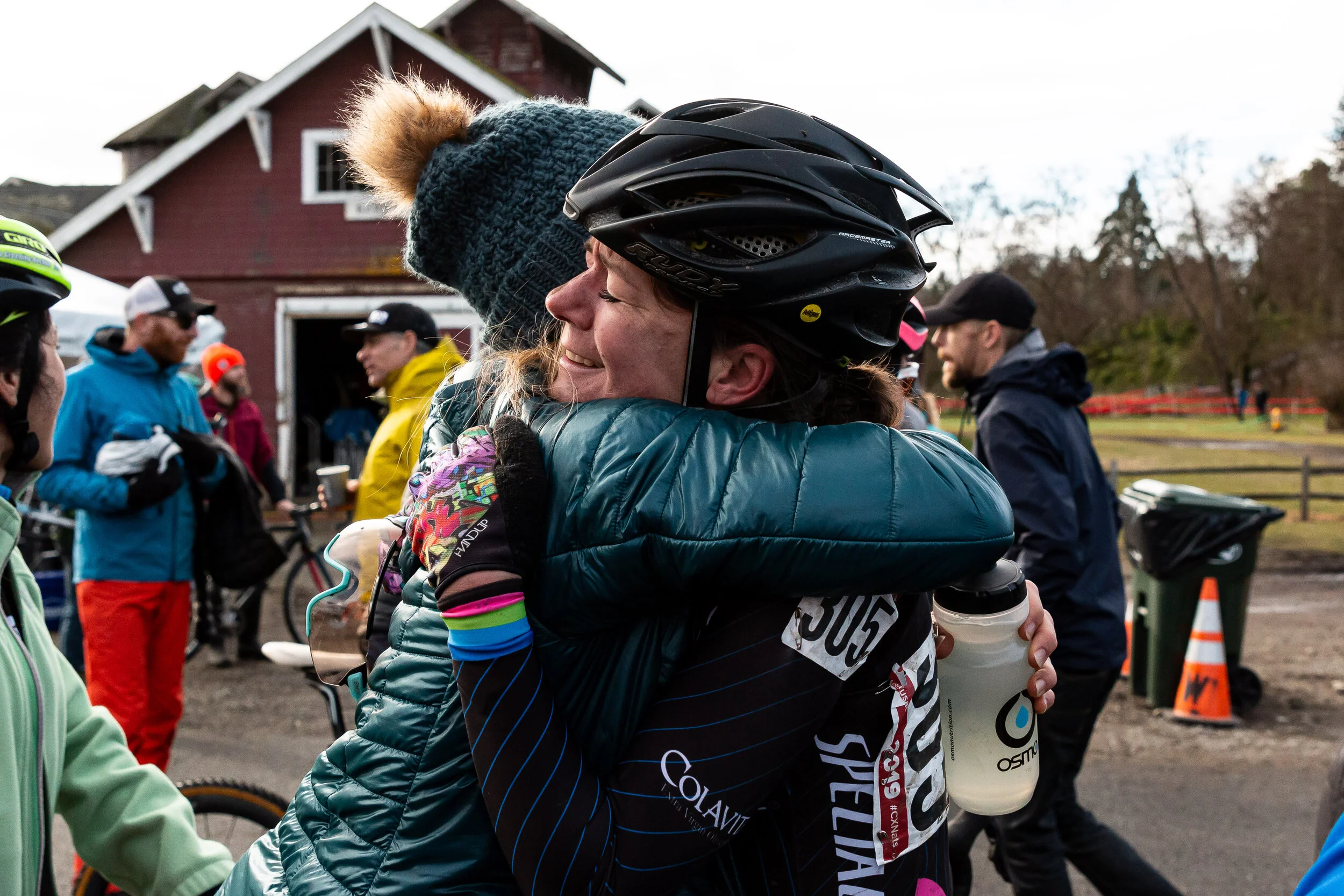
The Gap Year
Here we are at the end, which is also a beginning.
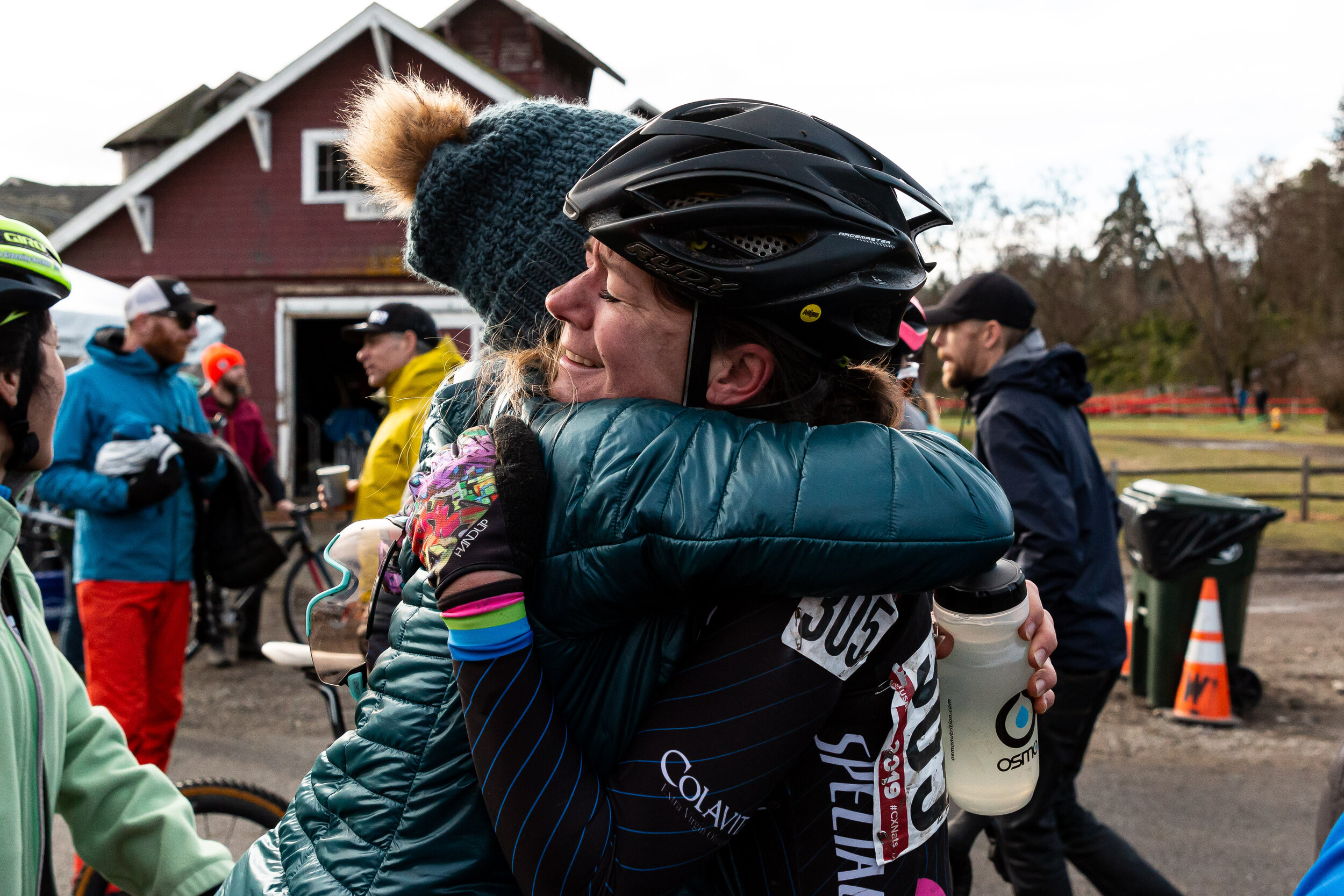
Here we are the end, which is also a beginning. I don’t know about you, but I am tired - not tired from doing so much as not doing. The holding back and holding on so tightly as things around us unravel. The virus, the marches, the politics, the deaths. It’s all a bit much to pack into a single year. Especially so, the reckoning of much of our own blindness to the oppression and violence faced by our neighbors. That is not a shame I carry lightly.
Even as I am on the whole quite well and gratefully employed, I know none of us will get out of 2020 unscathed. Our scars will be different, some will be far deeper than others. We will need to reconcile these demons for some time to come. There is grief in that, but also some resolution to lingering ideas. Things are sharper now for me. Perhaps that has to do with my being alone for so much of the year. My introverted heart did not really mind most of the alone time, but I will admit there were some dark stretches. And likely, some still to come. What I found was my own resilience. I am mighty resilient, but I am not superhuman. I need companionship the way others do, I’m just better now at packing it away and dealing with what is at hand. For today, anyway.
I’ve been turning lately to writings of the Stoics, which is a very bro-philosophy thing to do, but I find certain ideas take hold in different phases of our lives. The quote from Marcus Aurelius has stuck with me lately, and is what I set my focus on for 2021:
“Get active in your own rescue.”
There is no one coming to save me from myself, as it is work that I alone must do. There is no one to save us from ourselves but us. We alone must do the work. I just don’t want to do all of it alone. I want my old friends, bike friends and family with me. Happiness, grief, celebration, frustration, hope, work is all the more bearable when shared.
My photography life is not one to do alone anyway. It must be done with others, it must be for others as much as for myself. That is the life I look forward to returning to the most, after this “gap year,” as photographer Bruce Buckley so aptly named it. Our gap year may well extended much longer than a year, but we have learned some hard lessons on how to endure. And we will. I will. When it is finally time, I’ll meet you out there with a hug and a grin, and we won’t be alone.
Of Songs and Photos
A long time ago, in a land far, far away I started what I thought would be a long career in music.

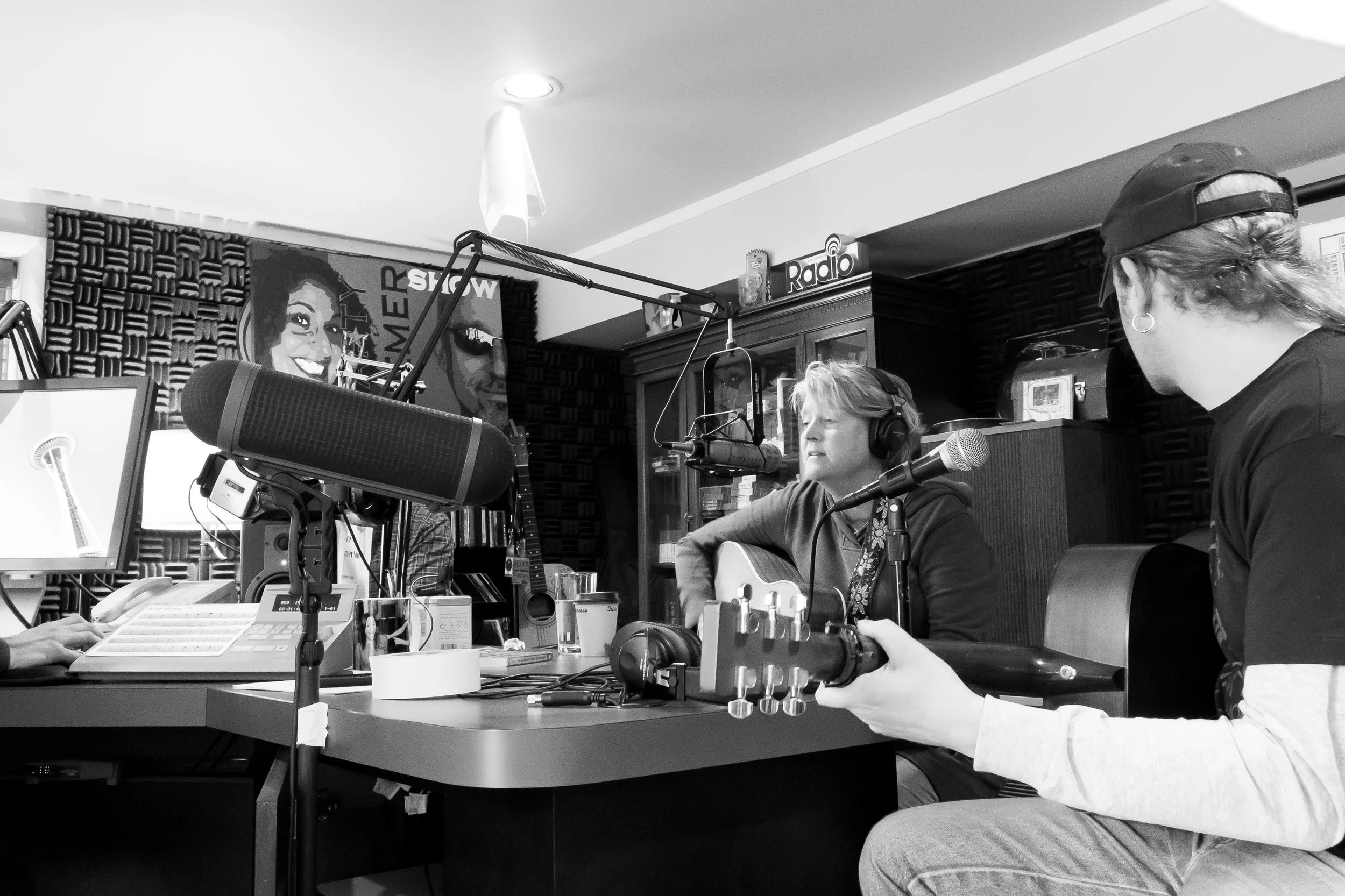
Kim Richey, singer and songwriter, in a Seattle studio.
A long time ago, in a land far, far away (Nashville) I started what I thought would be a long career in music. I loved all music - yes, especially country music - and was fortunate to work with some of the best songwriters and musicians in the business. My ultimate goal was to be a music producer, and though I’ve ended up producing many studio sessions as part of my advertising career, it is not quite the material I’d hoped to be working on. But life happened and I moved home to Washington and focused on building a life here outside of the music industry.
As I’ve become a more active photographer, I’ve noticed so many similarities between music and photography. Not only are the elements and language similar, but the process is as well. I used to spend hours listening to raw work tapes (newly written songs recorded on cassettes – remember those things?), and within a few weeks, a final demo was produced that had all the layers of sound, instruments, voices and complexity that the work tape never did. But nothing was produced without that first raw tape, the core story of the song and melody that had to have a “hook” before it ever made it to the studio. Months later (though it could be years, if ever) an artist would cut the song for their album and add an even higher level of polish with master musicians and engineers at the board.
Photography takes a decidedly less time intensive route, and most of it can be done by a single person. The process works the same – a central story, the photograph, must have elements of composition, dynamic range, and a point of view to make it pleasing to the eye. The edit turns a raw photograph into something that combines all the elements into a final product distinct to the style of the creator.
As with music, it’s subjective, and the judgement of a good photograph may vary widely from person to person. I think that’s part of the fun, though, to understand that not everything will be a hit. As long as it resonates with you, as the creator or viewer or listener, then it’s worth the effort. We all bring our own life experiences not only to our creations, but also to our interpretations.
That I have a platform to discuss both music and photography is not something I ever imagined, least of all when I was sneaking in the back door of a recording session and dreaming of a day when I got to run the show. Life is a funny mess, and I’m privileged to carry on with the artistic pursuits I choose – and that’s not something I’ll ever take for granted.

Bad Days
Some days it feels like I can't get anything right.

Some days it feels like I can't get anything right. The light is harsh, backgrounds are distracting, somebody decides to stand right where I want to take a shot. And this goes on all day long. By the end of the day I'm ready to sell my camera and find another way to amuse myself.
Other days I think I've captured something unique only to come home completely underwhelmed by what actually comes out the camera. The shots that were almost right. The soft image I wanted tack sharp. The autofocus choosing the small Chihuahua instead of the bike racer in the frame (that's not really a mistake, if I'm honest).
This isn't unique to creative endeavors - we all have days where we don't think we're good enough. But in my professional life, my failures are shared with a small team. In my creative life, my failures are shared with a community I've come to love and hope to contribute to in ways that bring joy and happiness. Failure in this arena cuts a little sharper.
I don't write this as an attempt to fish for compliments. It makes me infinitely happy to see people use my photos as their personal social avatars and share the photos with their friends. I am also proud of the progress I have made given that I've taken exactly 0 hours of formal photographic training and my only real driving force is my own ambition. Still, progress is slow and some days it feels like I'm regressing, not improving.
Part of my commitment to this photography endeavor is to share my work. As a classic introvert, my default setting is to keep everything to myself. But that isn't what art is about, and though it goes against every instinct I have, I am committed to sharing my work. Good days and bad days, I will continue to share what I think is worthy. Or at the very least, what I think competitors might want to see of themselves, which is what I see - brave, committed athletes who deserve to have the light shine on them, if only from one camera in the crowd.
Quality, Not Quantity
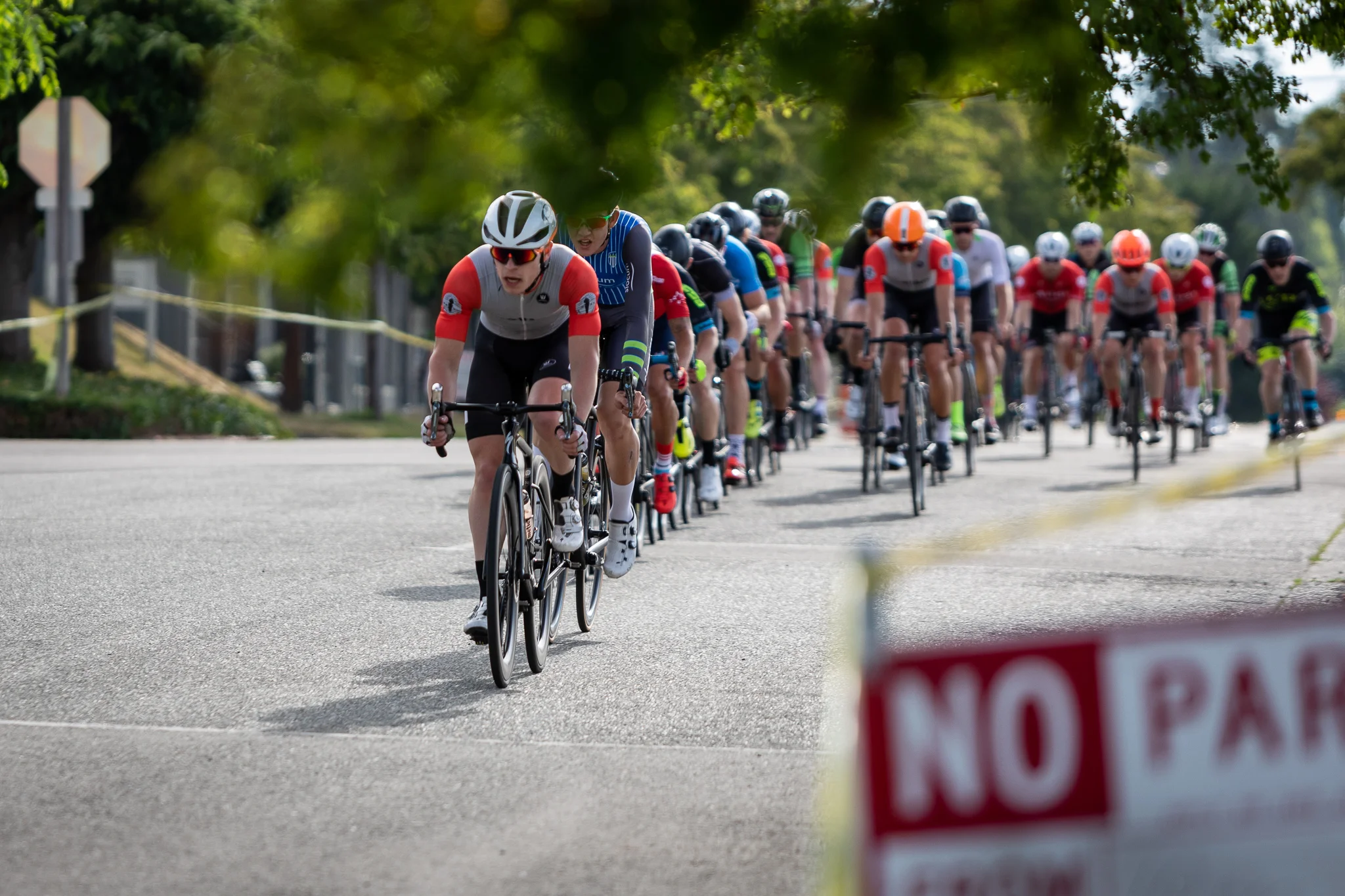
In hindsight I probably should have been more intentional with the process.

Quality, not quantity, is the the rule that's been drilled into us since...forever. It's a blanket cliche that covers nearly any dilemma.
That point that was apparently lost on me this summer as I hustled through a busy racing season, producing 1800-2500 shots per race. I would speed through the culling and editing process to post them as quickly as possible, trying to meet some predetermined deadline in my head. I wasn’t taking the time I needed to review and edit down the selects to a reasonable number, and then stay patient through editing to achieve the result I wanted. It did produce a lot of images to share, and I’m happy that many people enjoyed them. In hindsight, I probably should have been more intentional with the process.
My goal is always to share the best images of the day, but I also get lost in trying to balance team representation, or people I don’t photograph often, and especially to make sure I have a good number of shots from the women’s races. This can be a struggle when there are usually just two women's fields to five or six for men. The result is that I end up including photos that I would normally have eliminated, and others stay out of my final set that are better, but are multiples of the same racer (Pro tip - if you are at the front of the race, there is a better than average chance I'll get a clean shot of you. Race is at the front!).
I have some downtime now, as I await cyclocross season, to reassess my priorities. Going forward, I’ll take more time to review my photos and put more thought into the editing process. This means I won’t rush to post photos the same day or even the next day. I will also likely reduce the number of images I post, but remain mindful of balancing representation and taking into consideration the story of each race. And there is always, always a story to tell.
Mass Distraction
Getting just the right image at a bike race can be a tricky thing.

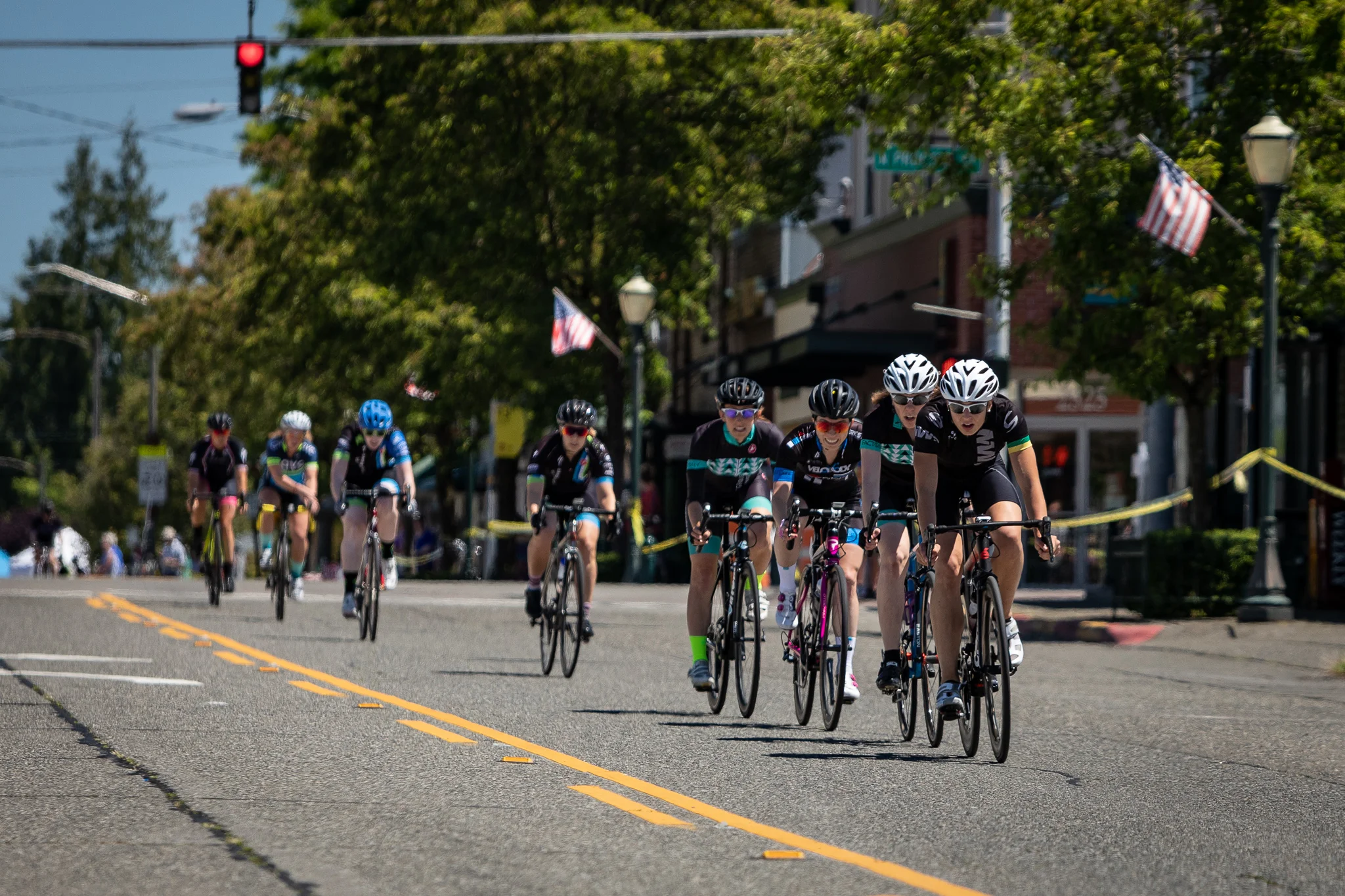
Getting just the right image at a bike race can be a tricky thing. There are a lot of distractions in the frame, some of which are fans, podiums, race officials, and let’s not forget dogs. There are also traffic cones, caution tape, hay bales and some really awkward fencing. For someone who likes clean images with lots of open space, this regularly poses a problem for my photographic vision. I can zoom in and get very tight images, eliminating backgrounds altogether, but an entire gallery of that seems a little...meh. Plus, I would miss the fun shots of racers lined up in draft or the symmetry of them spread across the road.
My next option is to Photoshop the hell out of what I don’t like. While I’m not opposed to getting rid of a stay spot or weird artifact, to eliminate entire pieces of scenery seems both tiresome (I ain’t got time for that) and somewhat misleading. I tend to edit more on the side of photojournalism with my photography – I don’t add anything that wasn’t there and I’m careful not to remove something that was part of the race, even if it was an actual hay bale.
Instead, I work with what I’m given. One important lesson I’ve learned is that it never works to fight against the background distractions. The more I try to crop them out in-camera, or find a stretch that is distraction free, the worse my shots get. The only success I’ve had is to work with them – find a way to blur them, or better yet make them fit the composition, even if it seems like a bad idea. Sometimes it is, in fact, a bad idea. And sometimes it’s not. A few missed shots are well worth finding a way to tell the true story of a race.
Year One
Last year, around spring, I decided I needed to get out of my comfort zone and try something new.

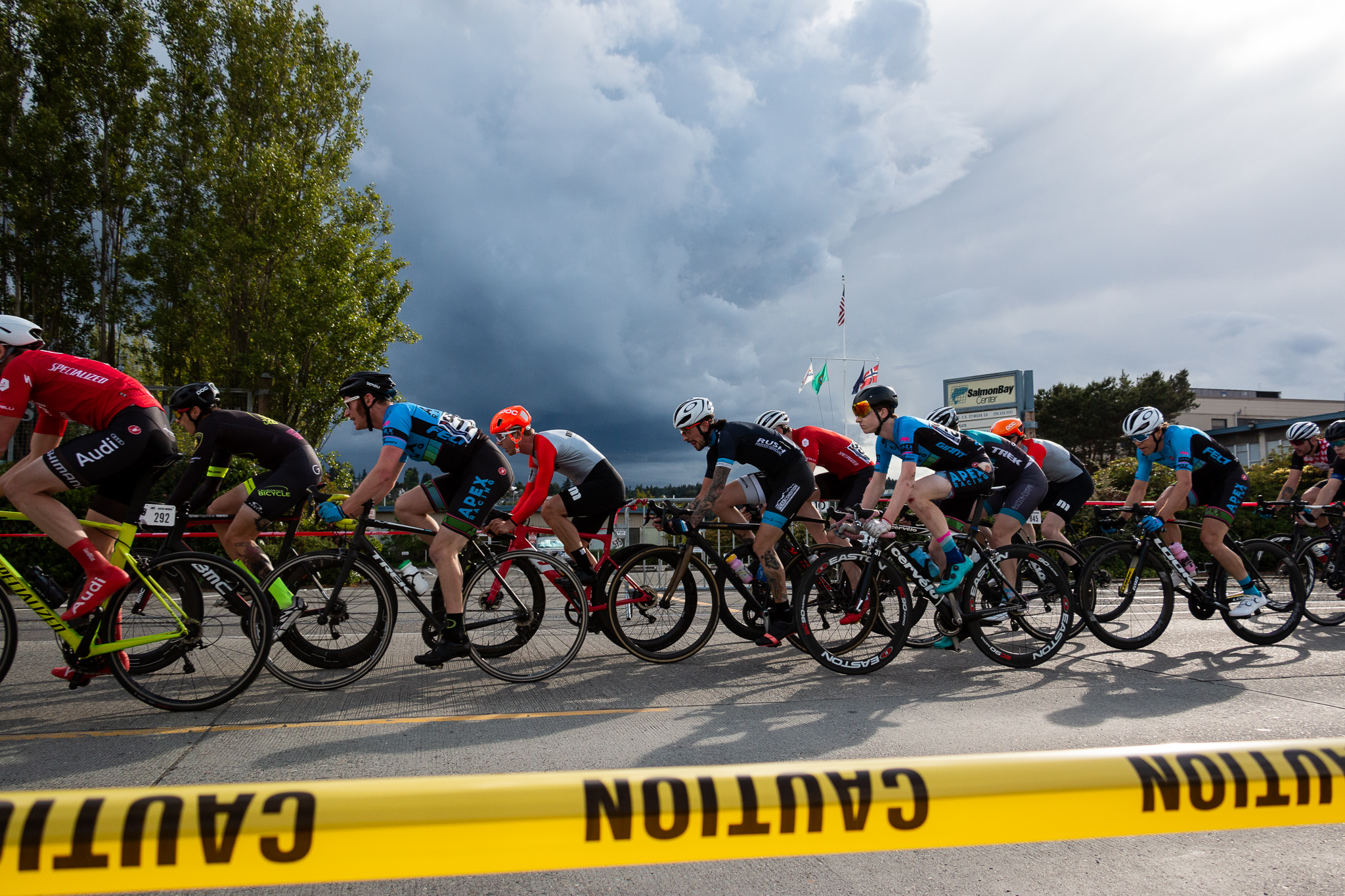
Last year, around spring, I decided I needed to get out of my comfort zone and try something new. I loved photography but I was getting bored with my usual shots. I loved watching bike racing, but I was never going to participate in a race myself (I'm not really built for speed). Somehow, both of my interests collided and sparked a new adventure that I couldn't begin to imagine a year ago.
The Ballard Criterium 2017 was the first full race I decided to attend as a photographer. As a generally shy character, drawing attention to myself with a camera and zoom lens was not how I wanted to spend my day. I did it anyway. I mostly felt like a big idiot walking around, pretending I knew what I was doing. I did not.
The next day, I went to the Volunteer Park Criterium. And then later the Marymoor Grand Prix. And then cyclocross season started, and I ended up shooting ten races of what came to be one of my favorite disciplines in cycling because of its sheer lunacy. Seriously people, do you see those run-ups?! Then mountain bike season, road racing and now back squarely in criterium season.
I was asked recently what I am doing out there. Mostly, I'm trying to build a portfolio of work and find a style that I can replicate. Currently my style is "Hey, I was at this thing, would you like to see your picture?" Yet, I persist. Because it's fun, because I admire the discipline and because after a year of showing my face everywhere I've made some friends that don't find it strange that I stand around with a camera on the side of the road. Okay, maybe they do but they don't make a big deal about it.
Its taken 27 races, one full year, to make me feel like maybe I can do this thing. I can inspire the way I am inspired, and tell the kinds of stories I would want to see. I still feel like a big idiot with a camera, and my lens has only gotten bigger, but I know what I want to do with each race and I am happy to spend an entire day trying to make the pictures in my head come to life with my camera. I am still trying.
The Still Image
There are moments that happen only fleetingly - a wink, a grimace.

Why photography? Why not video? Isn't that what everybody is doing these days? Shouldn't I be spending my free time trying to be a YouTuber? Well yes, probably. There is very little good cycling video content on the web (not NONE, just not a lot). It would be a fun niche and might be a way to get an edge on the thousands of other sports photographers. And maybe eventually I will expand into that medium. But not now, not yet.
I understand the value of video in the modern era. I believe that well-done videos are amazing storytelling devices - able to capture the sounds and voices that we miss with a photo. As a marketer in my day job, I rely on this premise. But I will always believe in the power of a still image. There are moments that happen only fleetingly - a wink, a grimace. That moment when a carefully constructed mask falls away, just for a split second, and reveals the truth of the matter. Click.
In bike racing, there can be many miles of not much happening, and then someone decides to make a move. If you're lucky, you can be there to see that moment, when the decision is made and the face reveals it. Click. Or when the final sprint is just ahead, the lead-out racers are draining the tank until that final 250m when they crack, watching their teammate pull past them toward the line. Click click.
It's a choice I am making in cycling photography to focus only on the still image, the moments in time I can freeze. There will be many of the same racers competing on the same courses year after year, but they will never be together in quite the same way on that one corner, or that final hill, as they are today, right now. Click. It's a memory that even the racer didn't know they had, but they will always have the picture.
Tour de Dung
Road races can be the most challenging races to shoot, but they can also be the most rewarding.
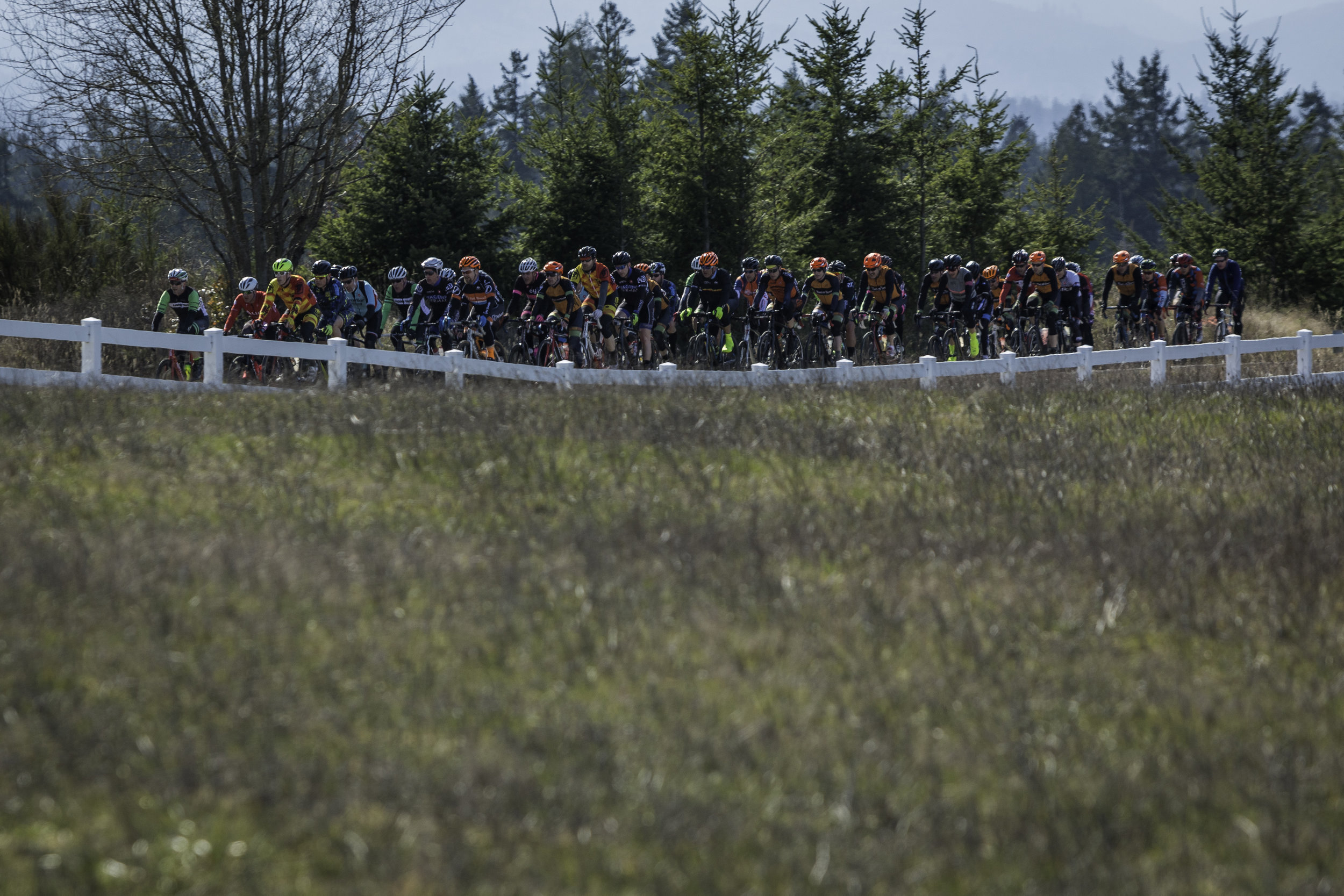
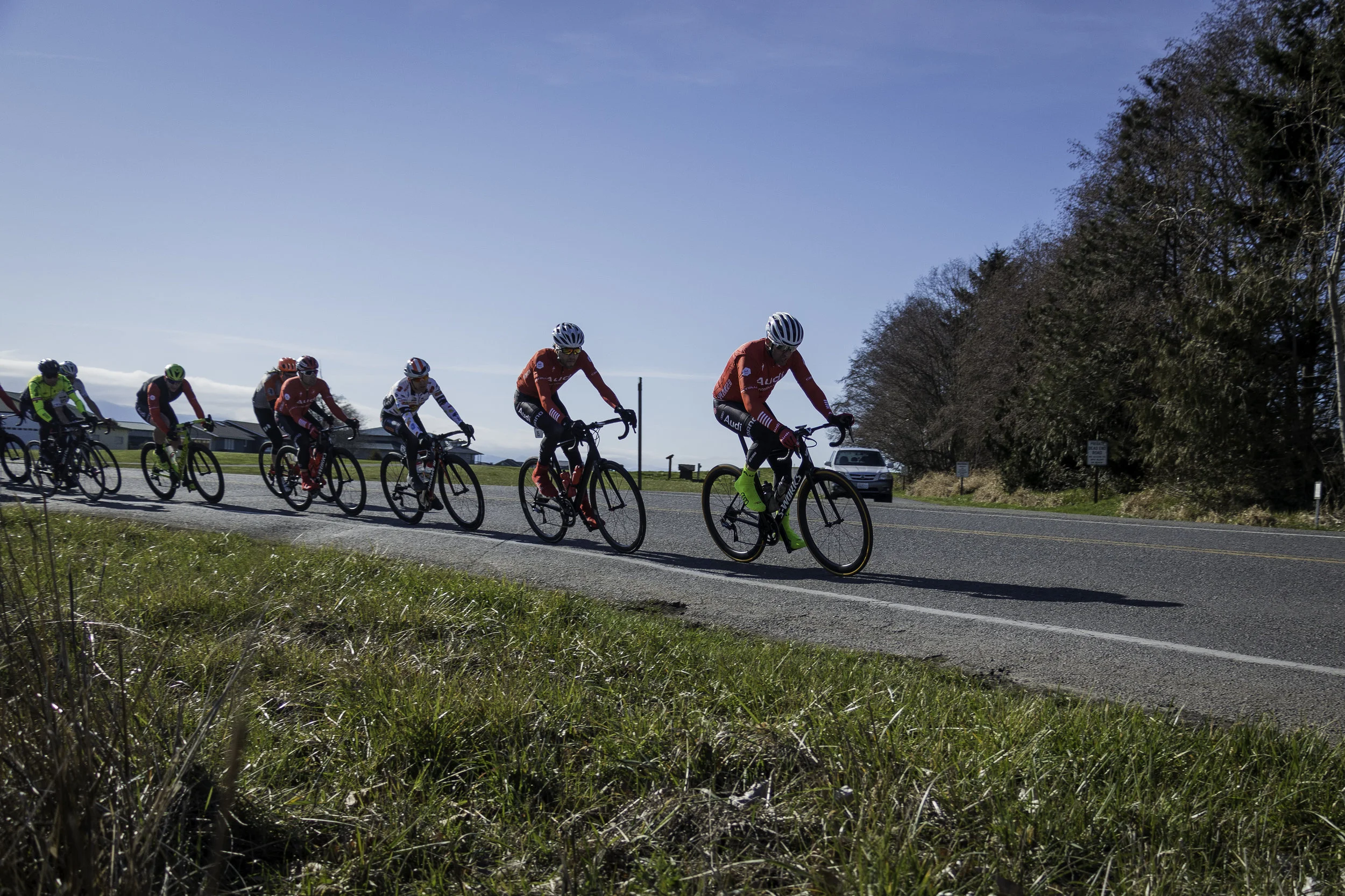
Road races can be the most challenging races to photograph, but they can also be the most rewarding. The races I've been able to shoot in this region are generally on a long circuit, which helps with the logistics, but they are also located in remote areas. This usually means an early day, a long road trip, a full day of shooting, a drive back and then an attempt to process and edit 1500-1800 photos before falling asleep.
My first road race was the Tour de Dung in Sequim. I had the advantage of being very familiar with the area from an entire childhood spent visiting my grandfather for the 27+ years he lived there. This race was also the first time I'd been back to Sequim since he passed several years ago, so it was tinged with a bit of sadness. I hadn't been able to bring myself to visit the peninsula since then, but the Tour de Dung was a great excuse to retrace some of my old familiar drives. The possibility of shooting a race on a crisp, sunny spring day made the decision to go an easy one.
The first thing I do when I reach a road race site is to drive the route. I usually carry a printed map and I take some care to mark parking, a unique background or foreground I can use, good corner shots or where I think groups may be bunched up or strung out.
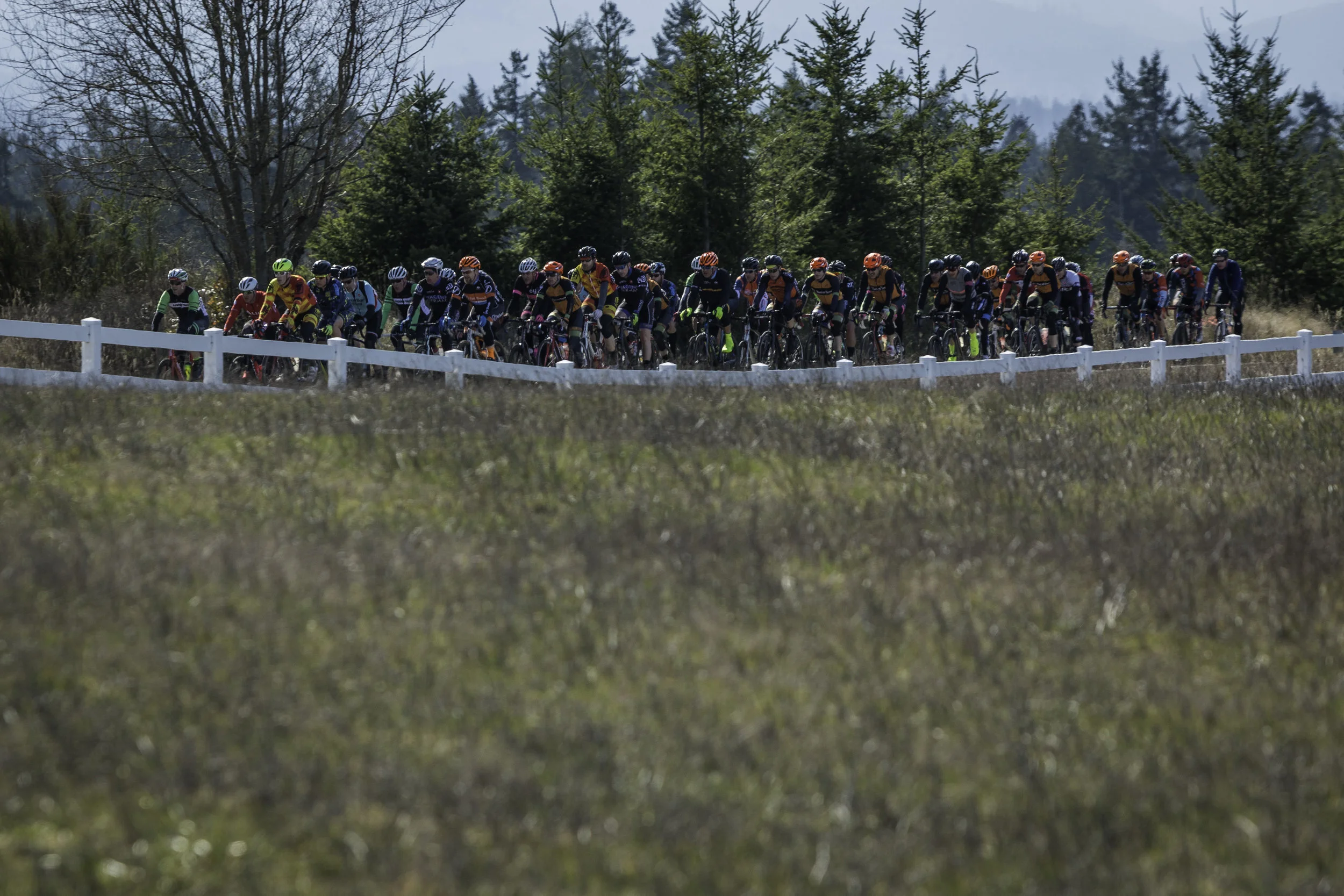
For me, the photos of the peloton are just as interesting as individual racers. I look for unusual patterns or symmetry (or asymmetry if I'm feeling fresh). These moments happen only briefly, and with the group coming down the road at full speed it's not something I'm skilled enough to spot through the viewfinder. Instead, I set up a composition that works for me and hope something unique comes my way.
The day at Tour de Dung was perfection, with bright sun and a clear view of surrounding mountains. I only trespassed a little onto local farmland to get cornering shots and used my long lens to squeeze in the mountains whenever I could. I didn't get every shot I wanted, but I also learned how to be bold in my choices (standing in the middle of the road is sometimes required, as is laying in a field of prickly thorns) and that I need to park my car away from my desired shot (ugh).
The beauty of living in the Pacific Northwest is that there isn't any place that doesn't photograph well and make a stunning backdrop to a fast moving race. My goal is to capture that to the best of my ability, whatever that ability may be on a given day.
The Beginning
Sometimes it’s a big, happy accident; sometimes it’s intentional.

I’m a firm believer that photos can tell their own story. The best ones don’t need a lot of words to convey the gravity of a moment. But lucky for you, dear reader, I am in love with words almost as much as photographs, so you get them both!
I wanted to start a blog to capture my development as a photographer. I’m not much of a sports commentator, so race recaps won’t figure prominently. But I can tell a story about what I saw, the fleeting moments of spinning wheels and the clang of changing gears, and why I made certain choices in my shots. Sometimes it’s a big, happy accident; sometimes it’s intentional.
I’ve been an amateur photographer for many years, mostly focusing on travel and landscape photos (you can follow me around the world on Instagram). I enjoyed the process, and especially the travel, but I wanted something a little more challenging to focus on. I’m not into posed images, so wedding or family photography wasn’t a draw (though I appreciate those who do it so well). I loved cycling photography and I think I fell in love with it even before the sport itself. It scratches all my storytelling itches: travel, chaos, redemption, heartbreak; but I had no idea how to get involved. As it turned out, I just needed to show up.
The better part of the last year I've spent at all sorts of cycling events – track, time trial, criteriums, cyclocross, mountain bike and road races. They all challenged me in new ways and I got a charge of adrenaline that I had never experienced in any other photography situation (except maybe that one time in South Africa with the baby leopard, but that’s a story for another day). I was hooked. I’ve been out in all kinds of weather, but it doesn’t dampen my enthusiasm for trying to find a new angle, an unusual frame, a perfect shot. And I say this with the understanding that my primary audience is known for their tendency to ride in even the most extreme conditions, so I don’t pretend to be all that tough.
We are in an era where nearly anyone can pick up a camera and take reasonably good photos. The equipment isn’t completely out of range for amateurs and the cameras themselves do a lot of the heavy lifting. It does make it harder to set myself apart, to find a style that suits what I am trying to create. I’m not there yet. I have a lot of work to do, but showing up at races as often as I can is the only way I know to get better. To find my own corner in very crowded and well-dressed field.
To the racers, who graciously let me aim my lens their way while they turn the pedals of difficult races, thank you.
I was climbing up the Base Line Road hill on stage one. It was hot, my gear was heavy and as usual I forgot one crucial element of sun protection - a hat.